Rediscovering Romance: The Allure of Vintage Pink Shabby Chic Paper
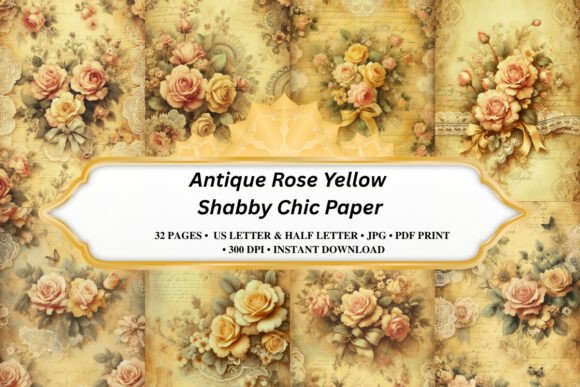
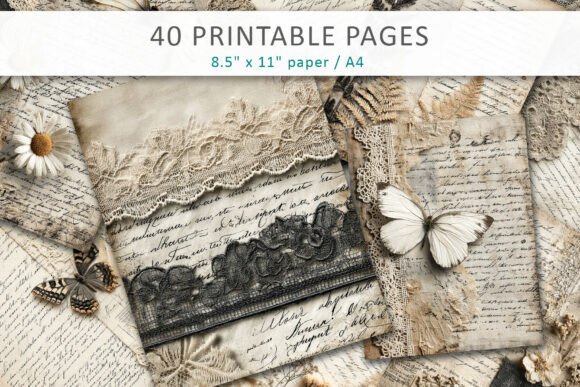
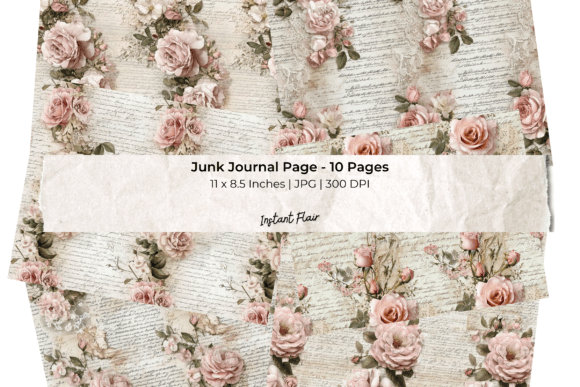
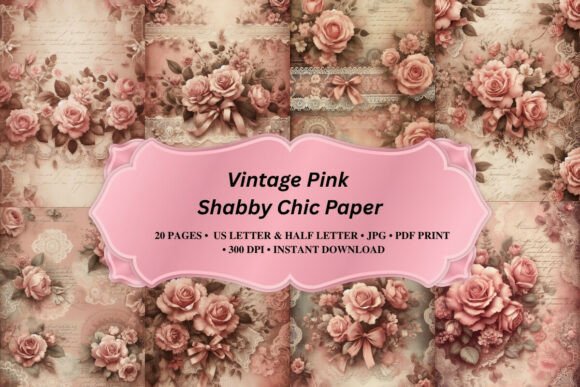
There's a particular kind of magic in designs that feel both timeless and tenderly personal. Vintage Pink Shabby Chic Paper isn't just a set of digital assets; it's an invitation into a world of soft nostalgia, feminine elegance, and layered storytelling. Imagine delicate lace doily borders framing soft, weathered paper textures, hand-lettered script whispers, and an abundance of blush and rose pink florals—all unified by a beautifully distressed, authentically aged aesthetic. This collection speaks directly to creators who value atmosphere, emotion, and a touch of romantic history in their work.
More Than a Pretty Pattern: Understanding the Visual Language
At its heart, this style is defined by its personality. It’s romantic, feminine, and nostalgic, but with a grounded, tactile quality that avoids feeling saccharine. The "shabby" element is key—it introduces a sense of lived-in comfort, a gentle wear that suggests history and authenticity. The consistent pink palette, ranging from soft blush to deeper rose, creates an immediate emotional connection, evoking feelings of warmth, care, and delicate beauty. The seamless patterns and varied textures provide immense versatility, allowing for both bold focal points and subtle, cohesive backgrounds. This isn't just decoration; it's a creative font for the visual world, a typeface of textures and motifs that sets a specific, evocative tone.
Where This Aesthetic Truly Shines: Practical Applications
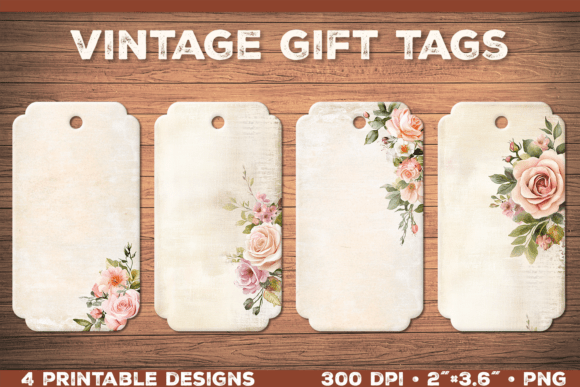
The true value of a design asset lies in its application. Vintage Pink Shabby Chic Paper excels where storytelling, elegance, and a personal touch are paramount. For editorial design, these pages are perfect for book interiors, especially romance novels, poetry collections, or memoirs, where the paper itself becomes part of the narrative. In packaging design, imagine these textures gracing gift tags, boutique shopping bags, or product labels for artisanal goods like candles, sores, or baked goods—the immediate association is with handcrafted quality and care.
For digital creators, the applications are equally powerful. Use these papers as backgrounds for social media graphics to establish a consistent, elegant brand identity for lifestyle blogs, wedding planners, or vintage-inspired businesses. They can transform a standard Instagram post into a curated piece of visual storytelling. In web design, they can be used sparingly but effectively—as a header background, a sidebar texture, or within a portfolio to showcase work in a romantic context, significantly enhancing audience engagement through emotional appeal.
Integrating into Your Creative Workflow
Practical integration is about pairing and purpose. Because the papers have strong visual character, they often work best as a foundational layer. Pair them with clean, simple sans serif fonts for body text to ensure readability and create a modern contrast. A elegant script font or a classic serif font can be used for headlines to echo the handwritten and vintage elements. This thoughtful font pairing builds a clear visual hierarchy, where the ornate background supports, rather than overwhelms, the primary message.
Consider the project's needs for brand perception. This aesthetic instantly communicates values of tradition, femininity, and artisanal quality. It’s ideal for brands in the wedding industry, vintage retail, floral design, or high-end stationery. The consistency of the collection—its unified color story and textural style—makes it a powerful tool for building professionalism and recognition across multiple touchpoints, from a website to printed marketing materials.
Making It Work: Selection, Testing, and Licensing
Choosing to use a strong aesthetic like this requires thoughtful evaluation. First, test the papers with your specific content. Will your text remain legible over the busier patterns? You may need to use the more subtly textured pages for text-heavy layouts. Review all included variations; the tonal differences and levels of "distress" are not just decorative—they are functional tools for creating depth and focus within a single project.
Font pairing is critical. Don't just settle for the first combination. Test how different typefaces interact with the patterns. A bold, modern display font might create a striking, contemporary contrast, while a delicate handwritten font might blend too much. The goal is harmony and clarity. Finally, always verify the licensing for your intended use, whether it's for personal junk journals or commercial logo design for a client. Understanding the terms ensures your beautiful project is also ethically sound.
Ultimately, Vintage Pink Shabby Chic Paper is a versatile and evocative design asset. It offers more than surface beauty; it provides a ready-made atmosphere, a shortcut to creating projects that feel rich with story and intention. When used with strategic thinking about pairing, purpose, and audience, it becomes a powerful component in a creator's toolkit, capable of elevating a simple idea into a resonant, beautifully crafted experience.