Elegant Stitching: Mastering the Alphabet Cross Stitch Pattern PDF
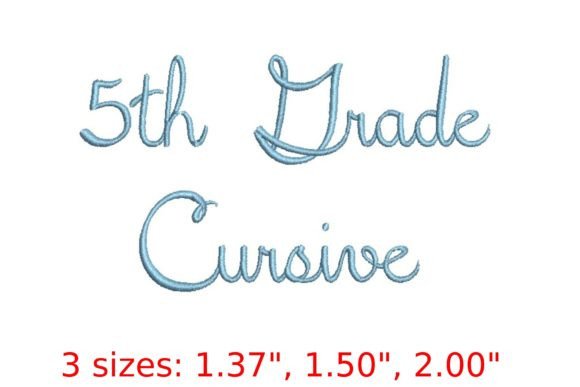
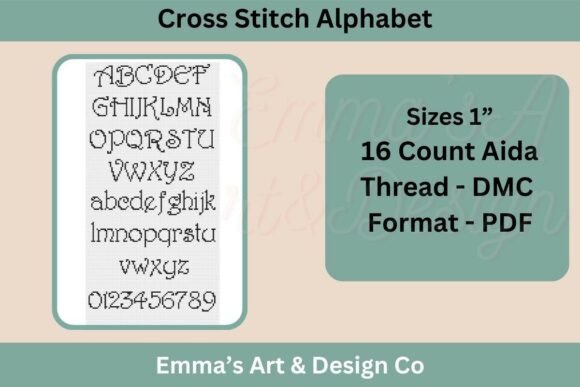
In the world of handmade design, typography isn't just about digital pixels; it’s about texture, thread, and the time invested in every stitch. For crafters and designers looking to bridge the gap between modern graphic design and traditional needlework, the Alphabet Cross Stitch Pattern PDF offers a unique solution. This isn't your grandmother’s blocky, grid-based sampler font. Instead, it presents a stylish, fancy script-style that mimics the fluidity of cursive handwriting while adhering to the rigid structure required for cross-stitching. It is a delicate balance of charm and precision, designed specifically for 16-count Aida fabric to create letters that stand approximately one inch high.
The Visual Personality: Modern Script Meets Handcraft
Understanding the visual weight of a typeface is crucial for any project, whether digital or physical. This premium font equivalent in the stitching world operates much like a script font or handwritten font in graphic design. It possesses a distinct personality that feels intimate and celebratory. Unlike standard sans serif font options often found in cross-stitch kits, this pattern features flowing lines and decorative loops that suggest elegance and thoughtfulness.
The appeal lies in its versatility. The design blends cursive charm with clean, modern lines, making it a creative font that doesn't feel dated. When you stitch these letters, you aren't just writing a word; you are creating a visual texture that catches the light differently than ink on paper. The slight irregularity inherent in hand-stitching adds a human touch that digital typography often struggles to replicate. It transforms simple names or quotes into focal points, functioning effectively as a display element within a larger composition.
Strategic Applications for Designers and Entrepreneurs
For the creative professional or small business owner, this pattern serves as a tangible design asset. If you are a blogger or content creator in the lifestyle or home décor niche, the Alphabet Cross Stitch Pattern PDF allows you to create high-quality props for photography. Imagine a custom-stitched monogram used as background texture for a flat-lay image, or a personalized hoop art piece that reinforces your brand identity in video content. The aesthetic is perfect for brands focusing on slow living, handmade goods, or boutique stationery.
Furthermore, this pattern is an excellent tool for packaging design in the physical realm. Small business owners selling artisanal products can use stitched initials to embellish fabric gift bags or create hang-tags that feel premium and bespoke. In the context of editorial design, these letters can be scanned and digitized to create unique headers for magazines or lookbooks, offering a texture that standard vector fonts cannot provide. It moves beyond simple hobbyist application into the realm of professional logo design exploration, particularly for brands that want to convey warmth, heritage, and craftsmanship.
Readability and Visual Hierarchy in Stitching
Just as a serif font guides the eye across a printed page, the flow of this script pattern guides the needle and the viewer's gaze. However, readability in embroidery requires a different approach than web design. Because script fonts are naturally more complex than sans serif options, spacing becomes critical. The pattern is designed to ensure that letters connect gracefully without tangling, maintaining legibility even at the relatively small scale of one inch.
When planning a project, consider the visual hierarchy. This alphabet works best as the headline or the hero element. If you are stitching a quote, using this script for the key phrase while using a simpler grid font for the attribution creates a balanced composition. It draws the eye immediately to the most important message. For social media graphics featuring your finished work, this high-contrast, decorative style performs exceptionally well. It stops the scroll because it looks different from standard digital text; it signals that the content is handmade and valuable.
Practical Guidance for Project Execution
Choosing the right context for this pattern is just as important as the stitching itself. Here is how to evaluate the fit for your next project:
- Evaluating Fabric Count: The pattern is optimized for 16-count Aida. If you choose a lower count (like 14), the letters will be larger and the "pixelation" of the stitch will be more visible, which might detract from the delicate style. A higher count (like 18) will yield a smaller, denser, and even more elegant result, though it requires more precision.
- Color Theory and Contrast: Treat your thread color like a font color. High contrast (dark thread on light fabric) ensures maximum readability. For a more subtle, tone-on-tone look—common in modern brand identity work—choose a thread color just a few shades darker than your fabric. This creates a sophisticated watermark effect.
- Font Pairing (Physical Context): If you are creating a piece that mixes text with imagery, ensure the "white space" (or un-stitched fabric) around the letters is generous. Crowding this script font makes it look messy. Treat it with the same respect you would a high-end display font on a poster.
Commercial and Licensing Considerations
For designers and entrepreneurs, the commercial aspect is vital. While the PDF pattern itself is for personal use in creating the physical stitch, the physical items you create can often be sold. However, always verify the specific license included with your design assets. If you intend to use the pattern to create finished goods for sale on platforms like Etsy or at craft fairs, ensure the creator permits commercial use of the finished product. This alphabet cross stitch pattern is an investment in your creative toolkit, but respecting intellectual property is part of maintaining a professional standard in the creative industry.
Conclusion: A Versatile Tool for Tangible Creativity
The Alphabet Cross Stitch Pattern PDF is more than just a grid for thread; it is a bridge between digital precision and handmade warmth. It allows crafters to apply principles of modern typography to a traditional medium. Whether you are a hobbyist creating a wedding gift, a designer looking for unique textures for editorial design, or a small business owner seeking to elevate your packaging design, this pattern provides the structure and style needed to make your text stand out. It proves that even in a digital age, there is immense power in the tactile, personal nature of a beautifully stitched word.